Case Studies
News
-
New Website Launched
September 6, 2011

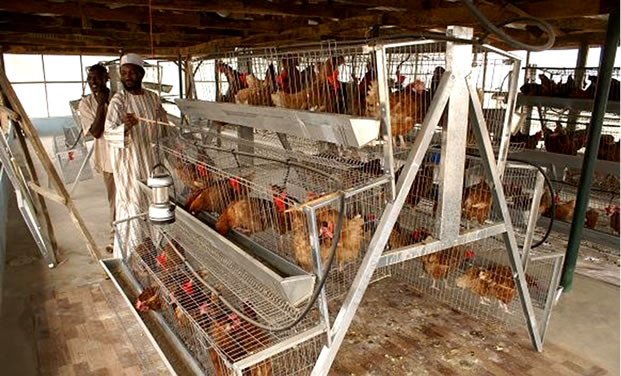
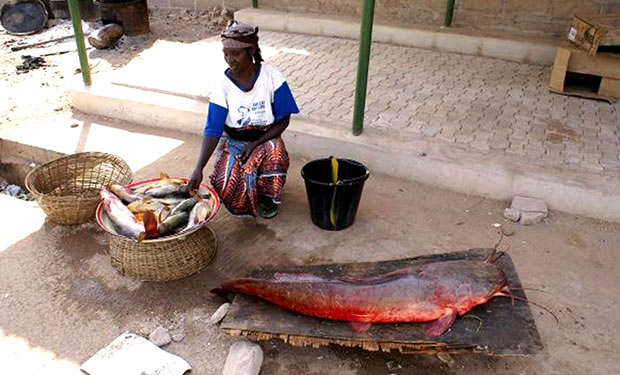
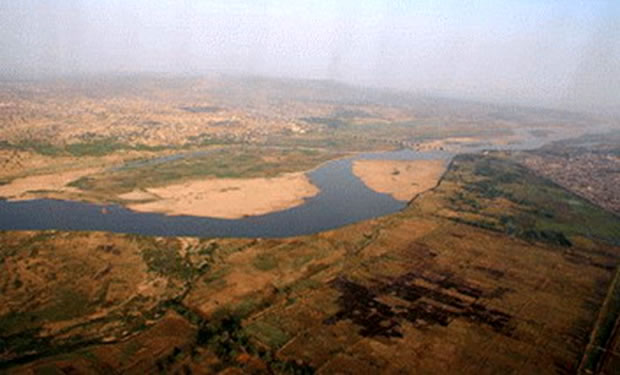
At independence, Nigeria was effectively an agricultural economy. It was among the world’s leading producers of cocoa, palm oil, groundnuts, cotton, rubber, hides and skin. The agricultural sector accounted for over 60% of Nigeria’s GDP, supplying 70% of export and 95% of food needs. Nigeria, in spite of its oil reserves, is still fundamentally an agricultural country.
Today, agriculture contributes 40% to Nigeria’s GDP whilst employing two thirds of the total labour force and providing a livelihood for about 90% of the rural population. One of the major influences on the decline in the productivity of the agricultural sector in Nigeria has been the emphasis on the oil industry and its associated riches. Since the 1960s, investment in agricultural technology and research has declined.
In 2010, Adamawa State, under the leadership of His Excellency, Admiral Murtala Nyako, GCON, the Executive Governor of Adamawa State, made agriculture the centrepiece of economic development in the State given that the vast majority of the population work in agriculture sector.
The Adamawa State Government engaged Osprey Investments to act as consultants in the development of a comprehensive Agriculture and Agro-Industry Plan that demonstrates the economic potential of the State and that will lead to real and tangible economically viable projects. The Master Agriculture and Agro-Industry Plan serves as a guide for the Adamawa State Government to achieve its economic development objectives.